From Shadow to Light: A Mother’s Day Story
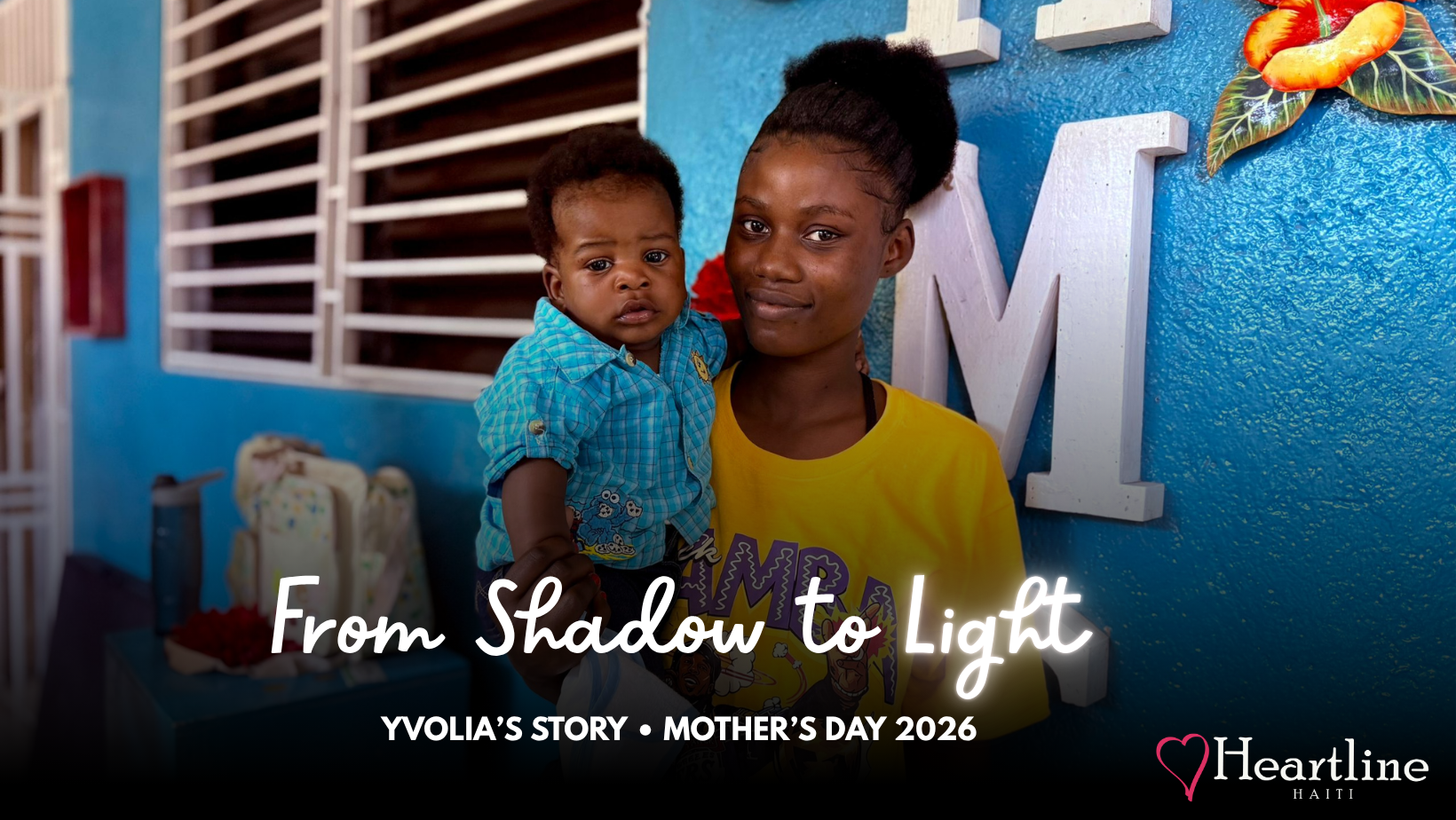
Yvolia is sixteen years old, and she carries a little boy with her. She hopes to give him a stable home life – but she's never been able to find that for herself.
Born in green Mirebalais, about a two-hour drive north of Port-au-Prince, Yvolia never knew her parents. They both died when she was still a baby, and she spent her early childhood with her grandmother. She was a gentle, kind woman – but aging rapidly. There were a few years of tenderness before her grandmother’s strength declined to the point that she could not care for Yvolia. So she entrusted her to a local pastor. He was kind as well, but was a man of few means, and offered modest shelter and not much else.
At nine, Yvolia headed south to Port-au-Prince, hoping to find renewal and opportunity in the capital city.
City life was difficult. Infrastructure was crumbling, education was off the table, and access to drinking water and electricity were not guaranteed. Nine year-old Yvolia, seeking out a new opportunity, didn’t know that in only a few years, the President would be killed, the gangs would seize power in his absence, and Port-au-Prince would become the epicenter of their violence. She spends her early teen years in a war zone.
Yvolia found a position doing domestic labor in a wealthier household, and despite the insecurity, despite the poverty, despite her lack of parents or guardians, she thought she had found shelter – a place to rebuild. But quickly, she found her lifeline entangling her in bigger problems. The workloads were immense. She was mistreated as a worker, humiliated by her employers – then, forced into prostitution to meet the financial demands of her employers. Eventually, she became pregnant.
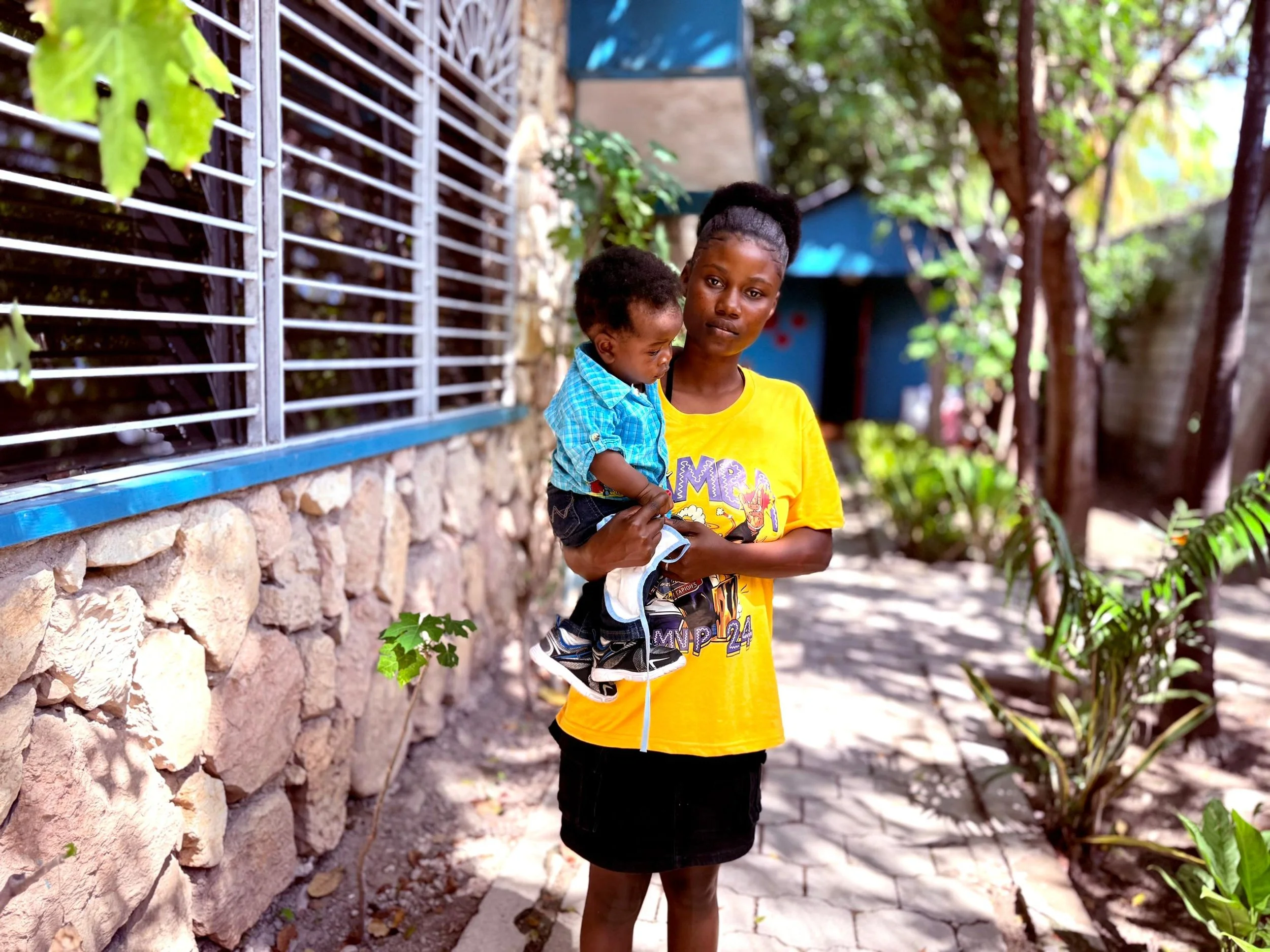
“When I found out I was pregnant, a wave of fear overwhelmed me. I asked myself: where will I go? Who will help me? Will I be able to protect my child, when I have never been protected?” Yvolia says. Her voice trembles, her eyes search through the past for answers.
Both the woman who housed her and the baby’s father demanded that she have an abortion – but Yvolia felt the baby meant hope for the future, and refused. So she was fired, and thrown out of the house she lived in.
Wandering the streets, she felt a dual pain many women in Haiti face at some point: the physical and emotional weight of pregnancy, and the social marginalization of doing it alone.
A neighbor in the Cité Soleil slum offered her a place to stay, temporarily. But that same neighbor quickly fell ill, succumbed to his illness, and left Yvolia homeless again.
She found herself in a displacement camp in Delmas 33, in the northern part of Port-au-Prince. It’s a place where survival means fighting for your spot. Makeshift shelters made of sheet metal and tarps pile up, form a suffocating maze of dirt and rust and people. The afternoon heat is crushing, the nights cold, and sleep is interrupted by shouting, arguing, footsteps, babies crying, all the sounds and sensations of homelessness.
“I spent my nights awake with fear,” she says. “Every sound made me jump. I kept thinking: if something happens to me, who will take care of my baby? Who will protect him from such a cruel world?”
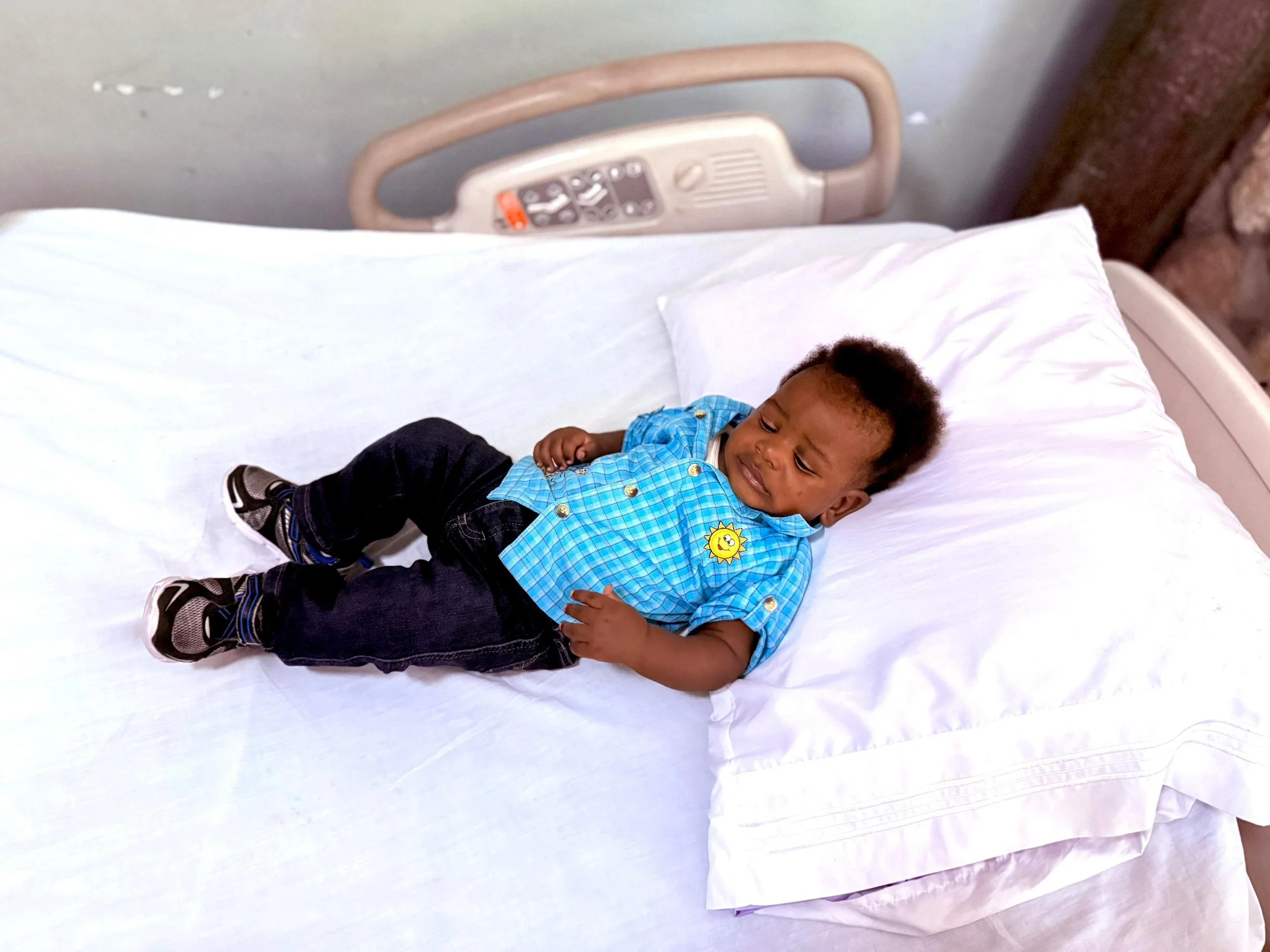
Baby Naïm
Yvolia has been passed many times from one place to another, with little choice in the matter. Even her decision to come to Port-au-Prince was barely a choice – it was a nine year-old girl’s attempt at something better. But she is choosing – without coercion, without circumstances demanding it – to keep her baby. Even in the displacement camp, she is firm about this choice.
Then she makes another choice – she comes to Heartline. It is at the Heartline Maternity Center that she finds support that she’s never had before, from women who understand her, who care about her, who are working to save her life and her baby’s.

Fredelyne, Clinic Administrator
Fredelyne, the Maternity Center Clinic Administrator, knows Yvolia well. “This story deeply moves me,” she said. “Imagining a child stripped of her innocence, forced to work as a domestic worker in dehumanizing conditions, sexually exploited—it is already unbearable. But then seeing her rejected, abandoned, and stigmatized simply because she carries life is a cruelty beyond understanding.”
She adds, “We do everything we can to help her. Sometimes it is just an extra meal, a warm piece of clothing, or a word of encouragement. It is never enough, but every small gesture can turn hope into strength for Yvolia.”
Beyond medical care, Heartline also offers Yvolia a comprehensive educational program, undertaken in a social setting with many other Haitian moms. Training workshops provide young mothers with the tools needed to rebuild their autonomy, approach parenthood with confidence, and imagine a better future for themselves and their children. The program helps soothe invisible wounds and restore a sense of self-worth that has long been undermined.
On the day of Yvolia’s delivery, the situation becomes critical. The midwives observe that she can no longer push effectively, and the baby is in distress. Some emergencies like this one demand hospital care, beyond what the Maternity Center can provide. Yvolia could never afford the hospital, nor could she get there quick enough on her own.
But she’s not on her own. And Heartline has an ambulance.
She is transferred safely to Sainte-Camille Hospital. There, under the pale lights of the operating room, a cesarean section is performed, and Yvolia gives birth to Naïm, her long-awaited baby boy.
But her time at Heartline isn’t over. Since that moment, she continues to receive weekly postpartum care, with the same checkups, the same educational workshops, and the same holistic support for her and little Naïm.
It’s hard to imagine what could have happened to Yvolia if she hadn’t found Heartline. Maternal death is all too common in Haiti, and losing Naïm in childbirth, given the circumstances, wouldn’t be a shock.
Today, at the Maternity Center, Yvolia holds Naïm gently in her arms. In this safe environment, supported by attentive care and sincere affection, she begins to look toward the future with new light. Her dreams, simple but powerful, are filled with fierce determination: to offer her child what she never had—a stable, secure life, full of opportunities.
“My greatest wish is that my baby has a better life than mine, that he never knows hunger or cold, and that he can dream big,” she says, a shy smile finally lighting up her tired face.
Heartline – but specifically donors like you – are part of a long line of people that have given Yvolia a chance here or there. Her grandmother. The pastor that took her in. The driver that got her safely to Port-au-Prince. The neighbor that offered a place to stay.
Now, you. Without you, the story might have ended in the displacement camp.
When you give to the Maternity Center for Mother’s Day, you’re not only supporting the nurses and midwives making it possible – you’re giving women like Yvolia hope and support that they might literally have never had before.
Plus, we’ll send an eCard on your behalf to a recipient of your choice when you give – just fill out their information, and we’ll take care of the sending on Mother’s Day.
Giving $50 or more? We’ll send a Haitian-made bracelet to you (or your chosen recipient) as well! It’s a great gift for someone else, or a powerful reminder of the impact you’re making in Haiti.
About the Author
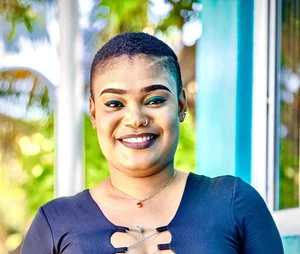
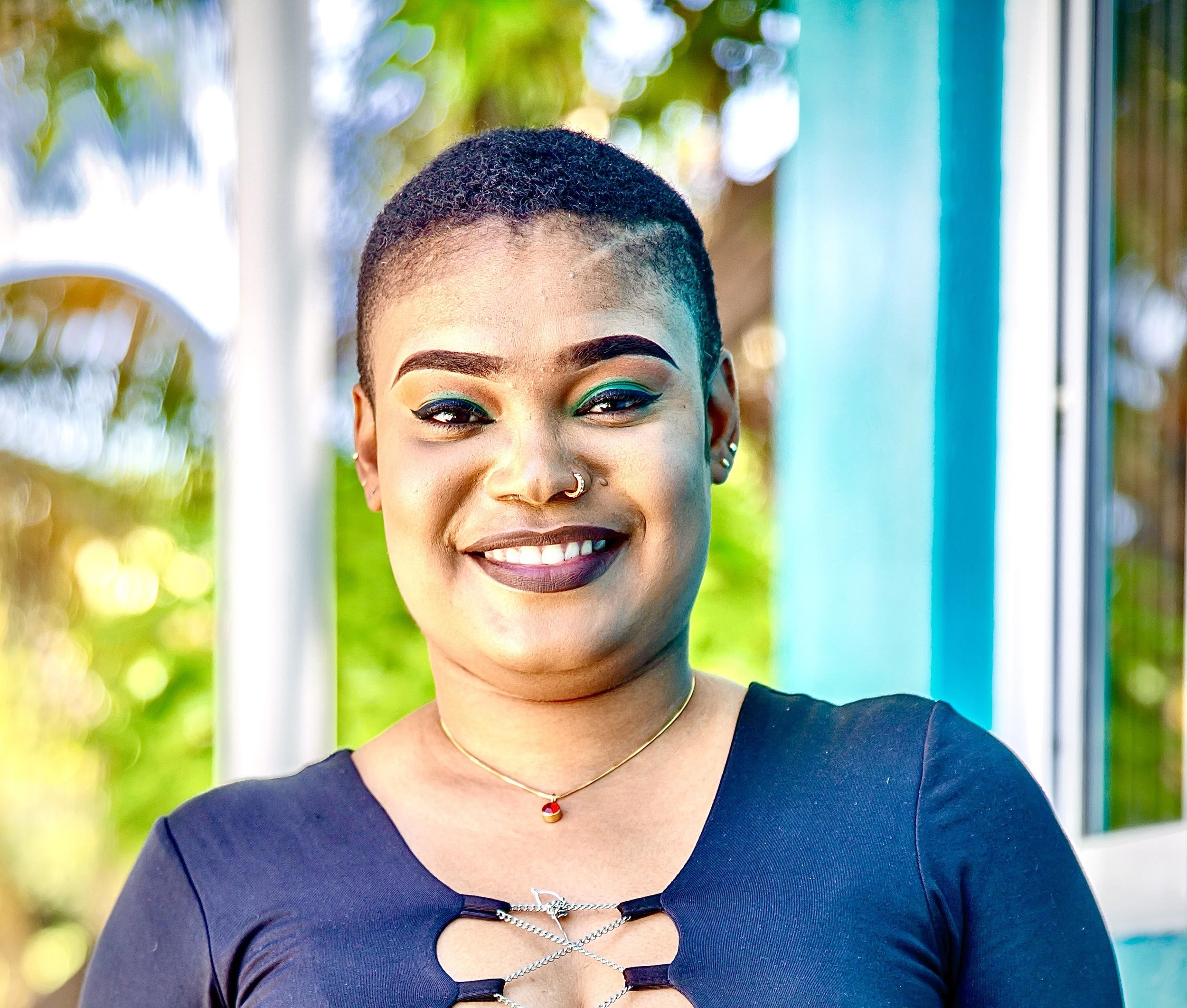
Aljany Narcius
Haitian journalist Aljany Narcius is currently pursuing a Master 2 in Media Management, online from France’s University of Lille. With ten years of experience in the fields of journalism and communication, Aljany is a linguist who uses the Creole language as her weapon in the fight against social inequalities, exploitation, and all kinds of violence.
Editorial and additional writing provided by the Heartline Haiti team.